Nollywood, Amapiano, and the AI Question: Protecting and Scaling African Creative IP
African creative output is being used to train models its creators will never be paid by, while the same tools could expand what those creators produce.
African creative output is being used to train models its creators will never be paid by, while the same tools could measurably expand what those creators can produce. Both statements are true, and the sector's response has to hold them together.
Treating AI purely as a threat cedes the production upside. Treating it purely as an opportunity cedes the rights.
Localisation is the clearest production opportunity
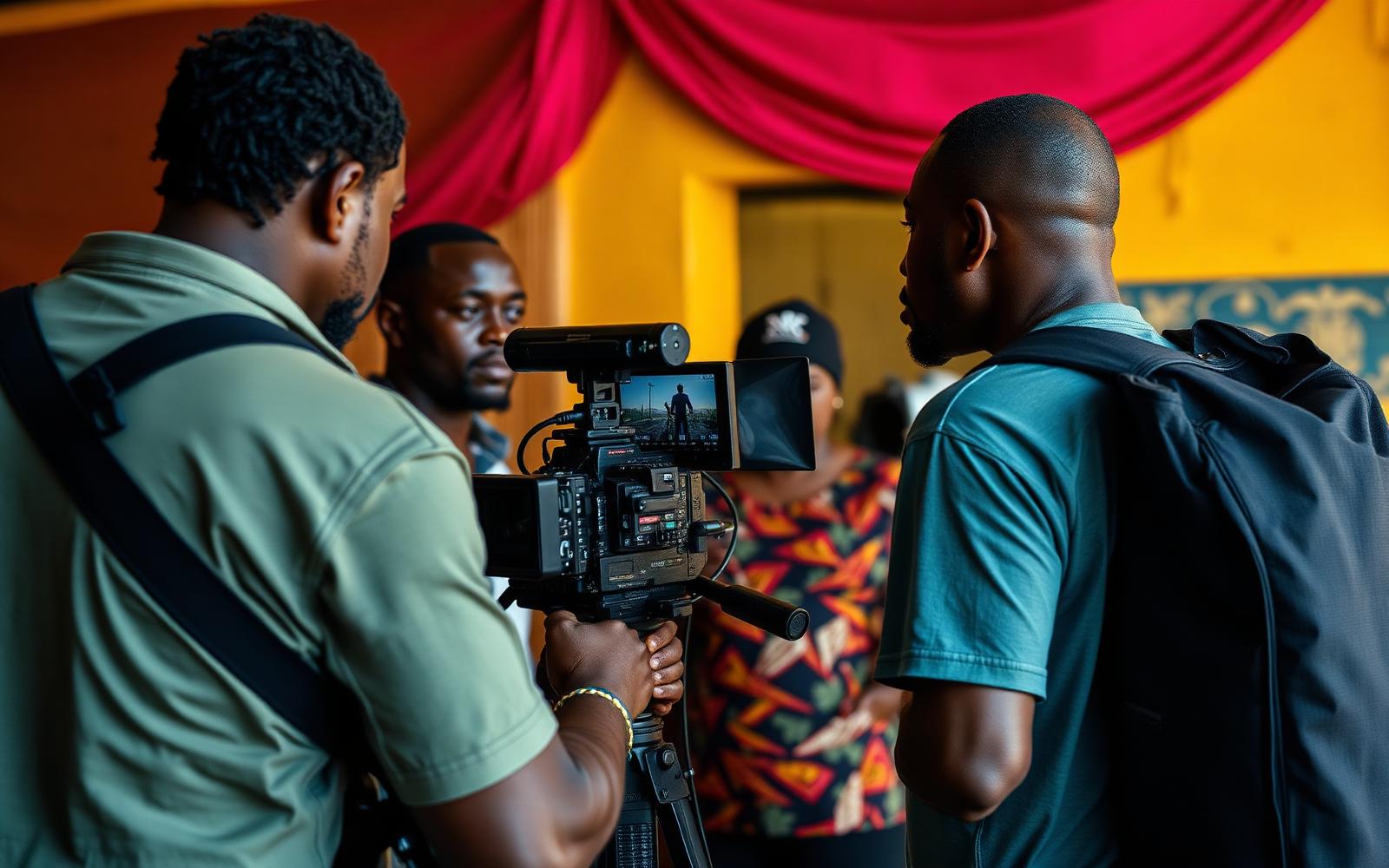
Dubbing and subtitling a Nollywood release into Swahili, French, and Portuguese at a fraction of previous cost turns a national title into a continental one. The same pipeline produces music marketing assets, trailer variants, and rights-cleared derivatives at volumes that were previously uneconomic.
Quality control is the differentiator. Unreviewed machine dubbing damages a title's reception in the target market; a hybrid pipeline with native-speaker review at the performance level does not, and still costs a fraction of traditional localisation.
The right is real. The enforcement mechanism simply cannot see it.
The rights infrastructure gap is the embarrassing part
Most African catalogues lack machine-readable rights metadata. That means audio and video fingerprinting systems, which are how enforcement actually works at platform scale, cannot enforce claims that legally exist. The right is real; the mechanism cannot see it.
Registration and fingerprinting is unglamorous archival work: identifying works, resolving ownership splits, generating fingerprints, and lodging them with the systems platforms consult. Unregistered work is invisible to every enforcement system being built, which means the window to be counted is now.
Who should be doing what
Collecting societies and studios should prioritise catalogue registration and fingerprinting this year, ahead of any generative tooling investment. Producers should adopt AI localisation with human review as a distribution strategy. Governments negotiating AI policy should treat machine-readable rights registries as trade infrastructure, because that is what decides whether African creators capture value from their own catalogue.
What this means in practice
- Register and fingerprint the existing catalogue before investing in generative production tooling.
- Adopt AI localisation with native-speaker review at the performance level, and treat it as a distribution strategy.
- Resolve ownership splits and rights metadata into machine-readable form, work by work.
- Press for national rights registries to be treated as trade infrastructure in AI policy negotiations.
Frequently asked questions
- What is this analysis about?
- African creative output is being used to train models its creators will never be paid by, while the same tools could expand what those creators produce.
- What is the core argument?
- African creative output is being used to train models its creators will never be paid by, while the same tools could measurably expand what those creators can produce. Both statements are true, and the sector's response has to hold them together.
- Localisation is the clearest production opportunity?
- Dubbing and subtitling a Nollywood release into Swahili, French, and Portuguese at a fraction of previous cost turns a national title into a continental one. The same pipeline produces music marketing assets, trailer variants, and rights-cleared derivatives at volumes that were previously uneconomic.
- What should our organisation do about it?
- Register and fingerprint the existing catalogue before investing in generative production tooling. Adopt AI localisation with native-speaker review at the performance level, and treat it as a distribution strategy. Resolve ownership splits and rights metadata into machine-readable form, work by work. Press for national rights registries to be treated as trade infrastructure in AI policy negotiations.
- Who published this and can we discuss it with Kwish?
- Kwish Research Team at Kwish Technologies published this on May 2026. Kwish works on creative industries programmes from offices in Uganda, Kenya, Sweden and Canada, and you can reach the team at info@kwishtechnologies.com.
Keep exploring
Turn this analysis into delivery
The services, sectors and case studies connected to this article.
Services that deliver this
Sectors where this applies
Related insights
Why African Governments Need AI-Native Systems, Not Retrofits
The temptation when modernising government technology is to retrofit. That instinct is exactly what Africa cannot afford.
The Hidden AI Infrastructure Gap in East African Universities
Faculty want AI in the classroom. IT departments don't have the data plumbing to deliver it. Here's the gap nobody is funding.
Building Government-Grade AI in Uganda: 5 Lessons from the Field
Procurement compliance. Stakeholder management. Data sovereignty. Local language requirements. Long-term maintenance planning.
Want this applied to your organisation?
Send us the decision you are trying to make. We reply with a scoped quotation.
Most quotations answered within one business day.