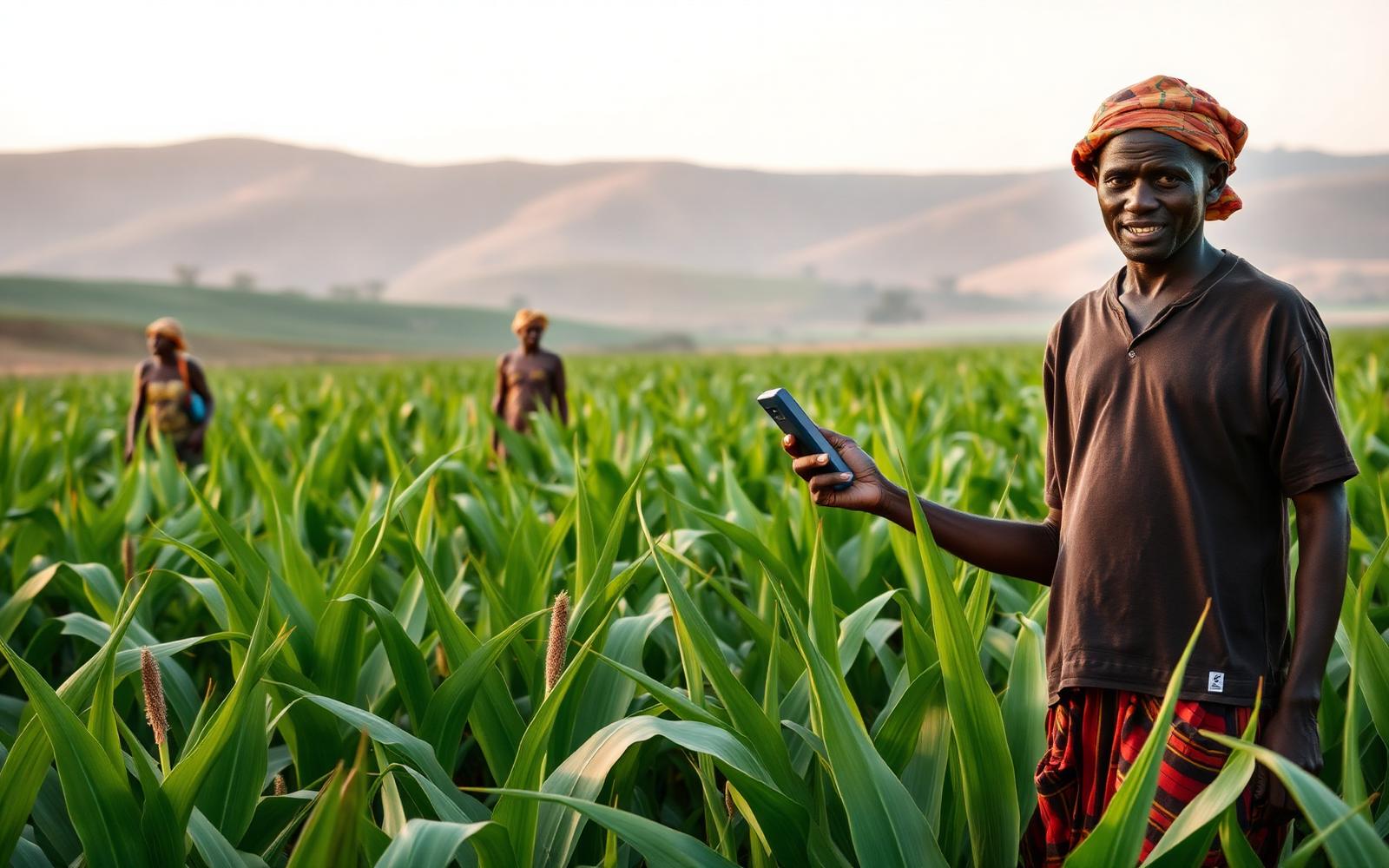
From Satellite to Smallholder: AI Crop Intelligence That Reaches the Last Mile
Satellite yield prediction is close to solved. Almost none of that intelligence reaches the farmer holding two acres in Mbale.
Satellite yield prediction for African farmland is close to a solved problem. Sentinel imagery, weather reanalysis, and a decent gradient-boosted model will forecast a district's maize output well enough for planning.
Almost none of that intelligence reaches the farmer holding two acres in Mbale. The failure is never the model. It is the last kilometre.
The delivery channel is the product
A pest early-warning that arrives as a dashboard login is worthless to someone with a feature phone and intermittent power. The same warning delivered as a Luganda voice note, an SMS in the local language, or a note in an extension agent's morning route becomes an actual intervention.
That reframes the build. The channel is the product and the model is a component inside it. Design for 160 characters. Design for voice. Design for an agent who needs a specific action, inspect these four fields today, rather than a probability distribution.
One confident warning that produced nothing costs you the next five.
Trust decays after the first false alarm
Extension agents and farmers are rational Bayesians about alert quality. One confident warning that produced nothing costs you the next five. That argues for high-precision, low-volume alerting at launch, even at the cost of missing events, and for saying plainly when confidence is low.
It also argues for closing the loop. Every alert should generate a cheap field response, did the agent find the pest, yes or no, which is both the training label the model needs and the evidence that keeps the programme funded.
Budget like a distribution business
Programmes in this space routinely allocate the majority of the budget to data science and a fraction to delivery, agent training, and content translation. The ratio should be inverted. The marginal accuracy gain from another modelling sprint is small; the marginal gain from doubling the number of agents who act on the output is large.
Local language content production is a real cost line with real quality requirements. Machine translation of agronomic advice without expert review produces instructions that are technically wrong in ways farmers notice immediately.
What this means in practice
- Choose the delivery channel, SMS, voice, or agent route sheet, before selecting or building any model.
- Launch with high-precision, low-volume alerts and publish the false-alarm rate to the agents who carry them.
- Instrument a one-tap field confirmation for every alert, so the programme generates its own training labels.
- Shift budget towards agent training and expert-reviewed local language content, and away from incremental modelling.
Frequently asked questions
- What is this analysis about?
- Satellite yield prediction is close to solved. Almost none of that intelligence reaches the farmer holding two acres in Mbale.
- What is the core argument?
- Satellite yield prediction for African farmland is close to a solved problem. Sentinel imagery, weather reanalysis, and a decent gradient-boosted model will forecast a district's maize output well enough for planning.
- The delivery channel is the product?
- A pest early-warning that arrives as a dashboard login is worthless to someone with a feature phone and intermittent power. The same warning delivered as a Luganda voice note, an SMS in the local language, or a note in an extension agent's morning route becomes an actual intervention.
- What should our organisation do about it?
- Choose the delivery channel, SMS, voice, or agent route sheet, before selecting or building any model. Launch with high-precision, low-volume alerts and publish the false-alarm rate to the agents who carry them. Instrument a one-tap field confirmation for every alert, so the programme generates its own training labels. Shift budget towards agent training and expert-reviewed local language content, and away from incremental modelling.
- Who published this and can we discuss it with Kwish?
- Kwish Research Team at Kwish Technologies published this on February 2026. Kwish works on agriculture programmes from offices in Uganda, Kenya, Sweden and Canada, and you can reach the team at info@kwishtechnologies.com.
Keep exploring
Turn this analysis into delivery
The services, sectors and case studies connected to this article.
Services that deliver this
Sectors where this applies
Related insights
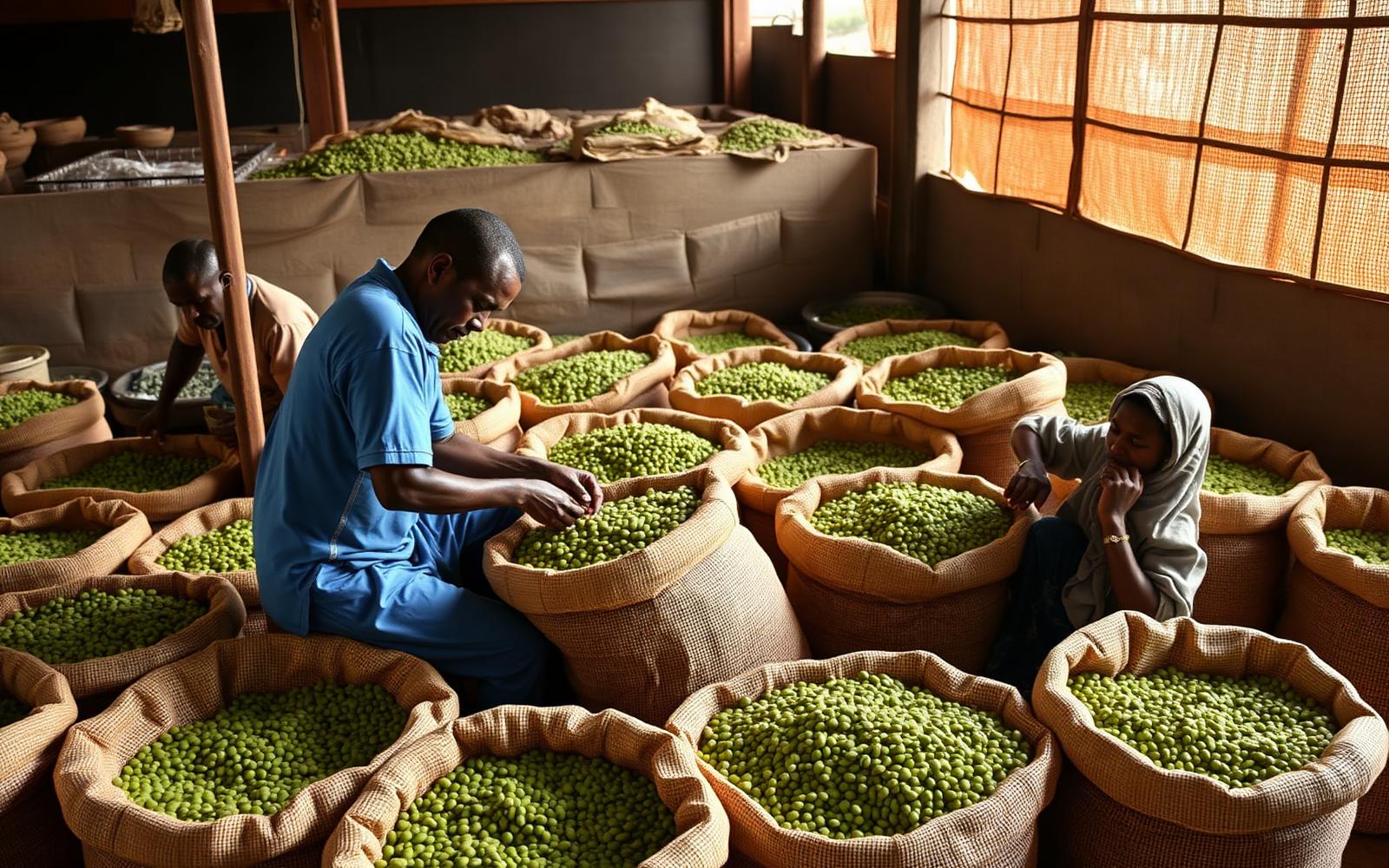
AI in Agricultural Export Markets: Meeting EU Traceability Rules Before They Lock You Out
The EU Deforestation Regulation asks a question most African export chains cannot currently answer. Traders who cannot answer it lose shelf access quietly.
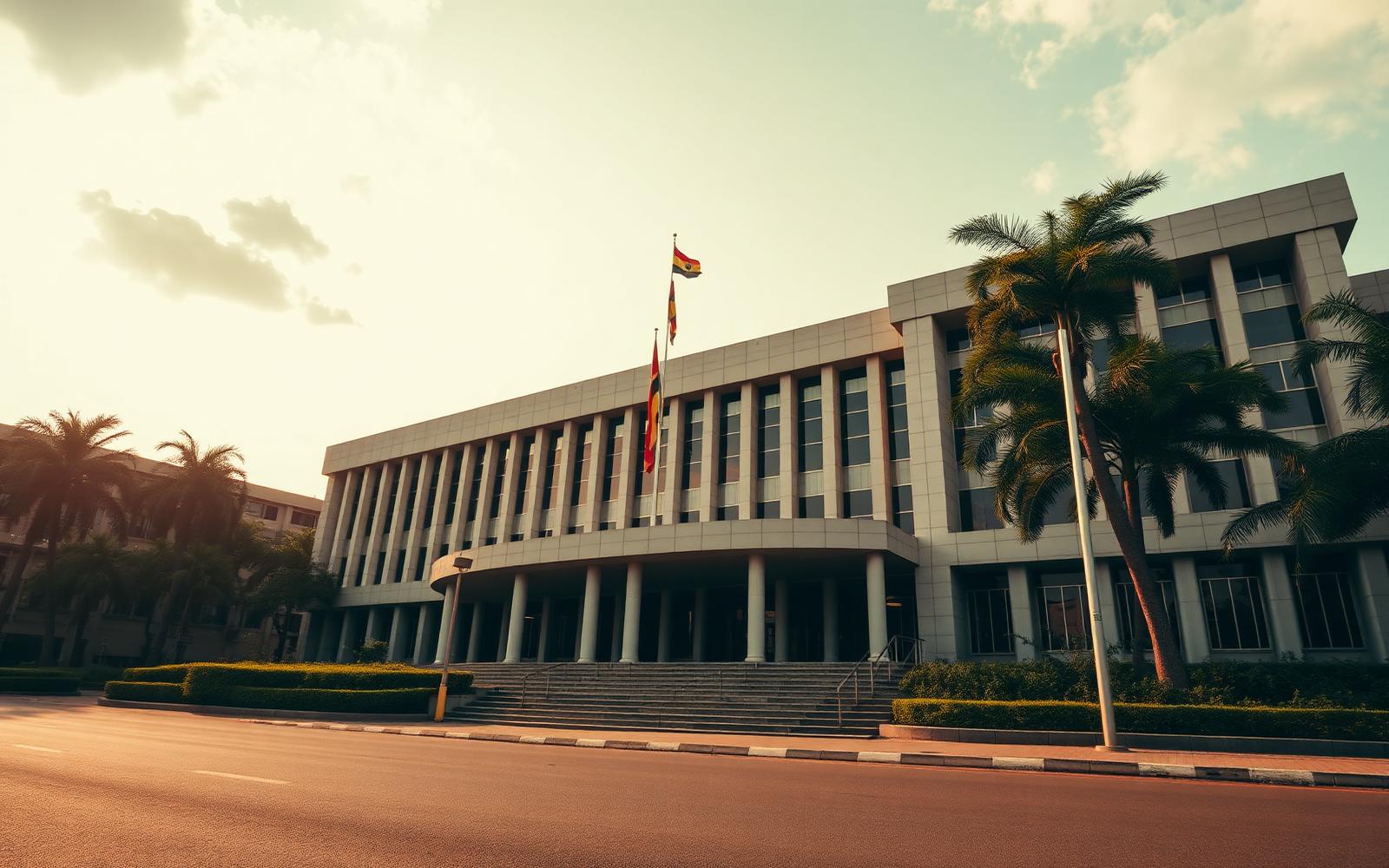
Why African Governments Need AI-Native Systems, Not Retrofits
The temptation when modernising government technology is to retrofit. That instinct is exactly what Africa cannot afford.
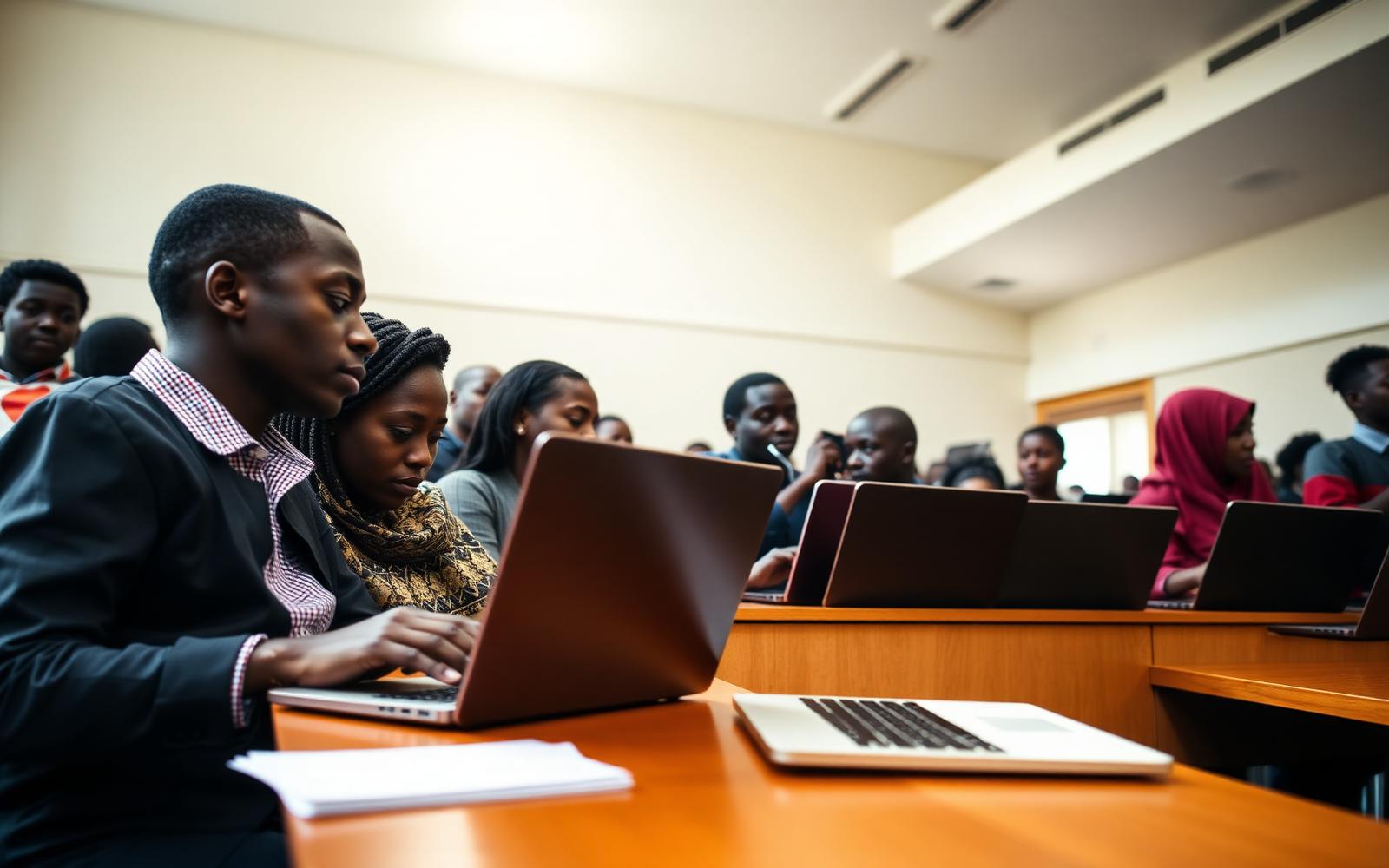
The Hidden AI Infrastructure Gap in East African Universities
Faculty want AI in the classroom. IT departments don't have the data plumbing to deliver it. Here's the gap nobody is funding.
Want this applied to your organisation?
Send us the decision you are trying to make. We reply with a scoped quotation.
Most quotations answered within one business day.